
Packing boxes is only half the battle. If you want your move to go smoothly, you need to know how to load a moving truck correctly. Strategic loading helps protect your furniture, prevents shifting, and reduces the number of trips — saving time, money, and frustration. Planning how everything fits can minimize risks, avoid last-minute stress, and create a smoother overall process from start to finish.
This guide walks you through the most efficient way to load a moving truck from start to finish. For help with supplies, start with our must-have packing supplies checklist. Knowing what tools and materials you need on hand before loading begins can set the stage for a better, safer move. Don’t underestimate the value of a little extra prep.
1. Prep the Truck with Blankets and Straps
Before you load a single box, lay moving blankets along the walls and floor. Have ratchet straps and bungee cords nearby. Protecting your surfaces early keeps furniture from scraping and boxes from sliding during the drive. This quick precaution helps avoid scratches, dents, and other damage that can be costly or time-consuming to fix after the move.
At Blue Cow Moving & Storage, our teams always prep the truck first. This step sets the tone for the rest of the move. We believe thoughtful truck preparation leads to smoother packing and fewer surprises on the road, especially when moving fragile or oversized items.
2. Load Heavy Furniture and Appliances First
Start with large items like sofas, mattresses, refrigerators, and dressers. These should sit against the back wall of the truck to balance the load. Keep heavy furniture on the bottom and stack lighter items on top. This foundation stabilizes your entire load and helps prevent toppling or crushing of lighter items placed too low.
Need help protecting fragile items in cold weather? Check out our winter moving tips in Iowa. If your furniture has drawers or doors, use stretch wrap or moving tape to secure them before loading to avoid shifting in transit.
3. Use Upright Space for Tall Items
Stand tall furniture vertically whenever possible to save space. For example, you can load mattresses, headboards, and bookshelves along the truck’s side walls. Strap these securely to prevent shifting during the move. Upright placement also allows for better use of horizontal floor space for wider items like desks or tables.
Make sure nothing can tip forward when the truck accelerates or brakes. Proper weight distribution matters more than most people realize. Use tie-down points along the side rails of the truck to anchor tall items safely in place before adding the next layer.
4. Fill Gaps with Softer Items
Use bedding, bags of clothing, or couch cushions to fill spaces between furniture and boxes. These soft items act as shock absorbers and prevent your belongings from bumping into each other during transit. This method can reduce damage and keep items from rubbing against each other while on the road.
You can also place lightweight bins or stackable containers in these areas, but avoid leaving open space between heavier items. Compacting every section of your load improves stability and cuts down on movement during the drive. Bonus: softer items double as padding and can be unpacked easily at your new home.
5. Stack Boxes by Size and Weight
Place the heaviest boxes on the bottom layer. Add medium and light boxes above those, with fragile items toward the top. Create rows from floor to ceiling and tie off each section before starting a new one. This method keeps your load neat and secure, and makes unpacking faster once you arrive.
For box labeling tips, read our post on how to label moving boxes to speed up unloading. Clear labeling also helps movers place boxes in the correct rooms, so you don’t spend your first night digging through a mountain of mystery boxes.
6. Keep Essentials Near the Door
Place your first-day essentials box, cleaning supplies, and tools last so they’re easy to grab. These items are often needed right away — you won’t want to dig for them when you're tired and unpacking. Essentials might include chargers, toilet paper, snacks, pet supplies, or even fresh sheets for your bed.
We explain more in our guide to what to pack for moving day. Make a quick inventory list of must-have items and keep it with you. You’ll thank yourself when you can quickly settle in after a long day.
Final Thoughts | How to Load a Moving Truck
When you know how to load a moving truck correctly, your move becomes faster, safer, and much less stressful. Load by weight, stack with care, and use space wisely — and you’ll get to your new home without surprise damage or chaos. A well-packed truck is more than efficient — it’s a sign of smart planning and a smoother move.
Need expert help loading or unloading? Contact Blue Cow Moving & Storage for labor-only services, full-service moves, and flexible support across the Des Moines metro. We’ll help you load your truck the right way — with care, experience, and a little extra muscle where it counts.
More Moving Prep Resources
Real Blue Cow Moves
See Blue Cow in Action
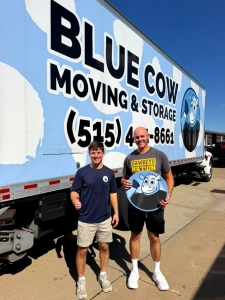
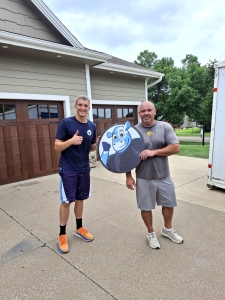
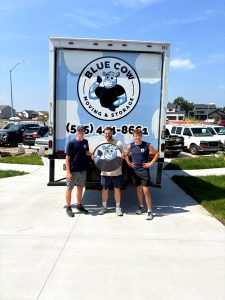
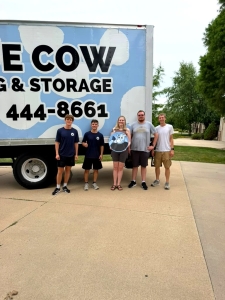
Take a look at real moves completed by our team throughout Central Iowa.




































Helpful Moving Advice
Continue Reading
Best Neighborhoods in Ankeny | A Local Guide for Families
Read Article →How to Choose the Right Neighborhood in Ankeny (What Iowa Families Should know Before They Settle Down)
Read Article →How to Pack and Prepare Your Belongings for Long-Term Storage | Des Moines Storage Tips
Read Article →Choosing the Right Storage Solution in Des Moines | Self-Storage vs. Full-Service
Read Article →Helpful Moving Services
Explore Blue Cow Moving & Storage services related to this article.
Moving Services Near You
Find local Blue Cow Moving & Storage services in areas mentioned in this guide.