
Moving Into Popular Des Moines Neighborhoods: What to Know Before You Relocate
Each neighborhood in Des Moines has its own rhythm, character, and quirks. From family-friendly suburbs to historic districts with walkable charm, Iowa’s capital city offers something for everyone. But before settling into a new zip code, it’s important to understand the vibe, the commute, and the hidden costs. This guide breaks down what to know when moving into popular Des Moines neighborhoods — so you can choose the right fit for your lifestyle.
1. Understand the Des Moines Layout
Des Moines is more than just downtown. It includes a patchwork of suburbs, city districts, and historic corridors. Some of the most sought-after neighborhoods include:
- Beaverdale — Known for its charming brick homes, tree-lined streets, and strong community feel.
- East Village — A lively, artsy area with boutique shops, restaurants, and walkability near downtown.
- Windsor Heights — Tucked between West Des Moines and Urbandale, it offers quiet streets and quick highway access.
- South of Grand — Elegant historic homes with a peaceful, residential atmosphere.
- Urbandale & Waukee — Popular with families for newer homes, great schools, and easy commutes.
Knowing the layout helps you plan for traffic, school zoning, and even how long your morning coffee run will take.
2. Factor in Commute and Connectivity
When moving into popular Des Moines neighborhoods, don’t just think about square footage — think about how easily you can get around. Some neighborhoods offer better access to I-235, bike trails, or bus routes. If you’re commuting downtown or toward the suburbs, test your drive at peak hours before deciding.
Want to avoid traffic stress on moving day? Read our moving day mistakes guide to plan smarter.
3. Explore Neighborhood Amenities
Each Des Moines area offers different perks. Beaverdale is known for festivals and family events. The East Village shines for young professionals and nightlife. Waukee and Grimes continue to grow with new retail centers and parks. Think beyond your home — the best neighborhood fits your weekend routine, too.
If you’re still deciding which part of the metro suits you best, our Urbandale relocation tips break down what to expect in one of the region’s top-rated suburbs.
4. Look Into School Districts
Families moving into popular Des Moines neighborhoods often prioritize school zones. Waukee, Johnston, and Ankeny school districts rank highly and frequently influence real estate demand. Even if you don’t have school-aged kids, school district quality can impact your home’s resale value.
And if you're relocating with kids, don’t miss our guide on moving day etiquette — including how to keep little ones stress-free during the transition.
5. Balance Charm With Maintenance
Historic homes in neighborhoods like Sherman Hill and South of Grand offer character — but may come with repair costs. Newer developments in Urbandale or Grimes mean less upkeep, but sometimes less personality. When moving into a popular Des Moines neighborhood, weigh aesthetics against your budget and time for repairs.
💡 Quick Tip
6. Budget for Moving Costs (and Surprises)
Popular neighborhoods may involve more logistical hurdles on move-in day — narrow driveways, busy downtown streets, or condo stairs. Get a quote from Blue Cow Moving & Storage to price out local Des Moines moving services that can handle tight turns and short notice timelines.
And if you're downsizing or between homes, our storage options offer flexibility while you settle in.
7. Consider the Long-Term Fit
Don’t just think about where you want to live next year — consider how long you’ll want to stay. Does the area have room to grow with you? Is there resale potential if you move again in five years? Planning ahead can help avoid needing another move too soon.
If you're not sure how to begin the downsizing process, our article on how to downsize before moving to Des Moines can guide you step by step.
Final Thoughts | The Right Neighborhood Makes the Move Worth It
Des Moines is growing fast, and so are its neighborhoods. Choosing where to live involves more than a great house — it’s about the community, the commute, the schools, and the future. By understanding what to know before moving into popular Des Moines neighborhoods, you’ll make a smarter decision you can feel good about for years to come.
More Helpful Guides from Blue Cow


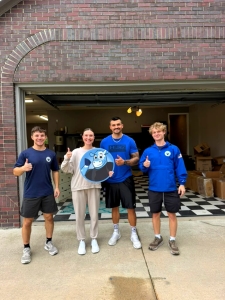


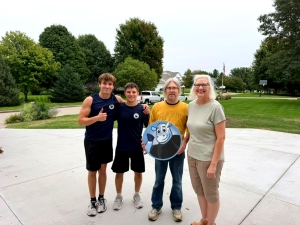



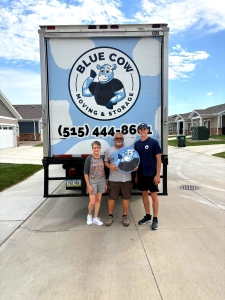


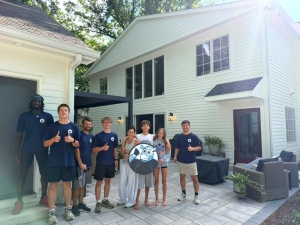



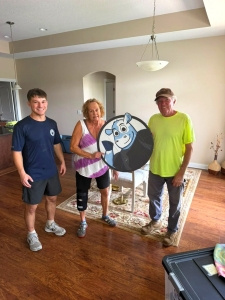




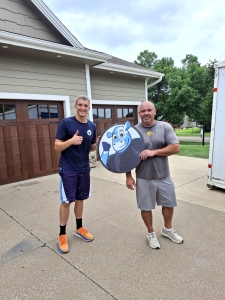






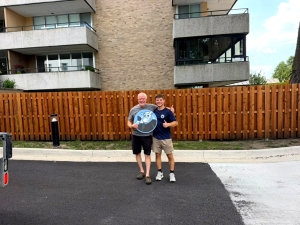







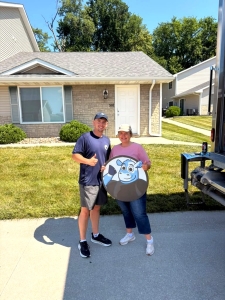
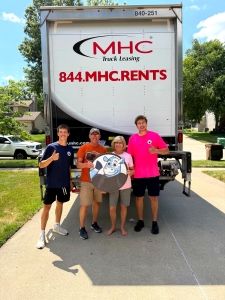





Real Blue Cow Moves
See Blue Cow in Action
Take a look at real moves completed by our team throughout Central Iowa.
Helpful Moving Advice
Continue Reading
Best Neighborhoods in Ankeny | A Local Guide for Families
Read Article →How to Choose the Right Neighborhood in Ankeny (What Iowa Families Should know Before They Settle Down)
Read Article →How to Pack and Prepare Your Belongings for Long-Term Storage | Des Moines Storage Tips
Read Article →Choosing the Right Storage Solution in Des Moines | Self-Storage vs. Full-Service
Read Article →Helpful Moving Services
Explore Blue Cow Moving & Storage services related to this article.
Moving Services Near You
Find local Blue Cow Moving & Storage services in areas mentioned in this guide.