
Winter Moving Tips in Iowa | Stay Safe, Warm, and On Schedule
Moving during the heart of an Iowa winter may seem intimidating, but with proper preparation, it can be smooth and surprisingly manageable. Whether you're dealing with subzero temperatures, navigating icy driveways, watching snow accumulate throughout the day, or working around shortened daylight hours, these winter moving tips in Iowa can help you stay safe, protect your belongings, and keep your move running as efficiently as possible.
Winter weather in Des Moines and across Iowa can be unpredictable. A relatively mild winter morning can turn into an afternoon of snow, freezing rain, strong winds, or rapidly falling temperatures. Conditions can also vary considerably from one part of the state to another, which makes preparation especially important when your move involves traveling between Iowa communities.
Cold weather affects almost every part of moving day. Snow and ice can make sidewalks slippery. Wet shoes can bring moisture and road salt into your home. Certain belongings may be sensitive to extreme temperatures. Trucks may need additional stopping distance on winter roads, and an unplowed driveway can make getting close to the home more difficult.
The good news is that many of these challenges can be handled before your movers ever arrive. Watching the forecast, clearing walking paths, preparing your home, keeping temperature-sensitive belongings with you, and making sure the heat is running at your destination can make a major difference.
If you're preparing for an upcoming move, don't forget to check out our complete packing checklist for Des Moines moves for additional planning and packing advice.
1. Watch the Weather and Plan Around Winter Conditions
Start monitoring the weather forecast at least a week before your scheduled move. Iowa’s winter weather can shift quickly, so don't assume that the forecast you saw several days ago will still be accurate when moving day arrives.
As you get within 48 to 72 hours of the move, pay closer attention to the timing of precipitation, expected temperatures, wind, and road conditions. The total amount of snow isn't the only factor that matters. A relatively small amount of freezing rain can create more difficult moving conditions than several inches of light snow.
Pay particular attention to overnight temperatures. Snow that melts during the afternoon can refreeze after sunset, leaving driveways, sidewalks, and steps much more slippery the following morning.
If snow is expected overnight, give yourself additional time before the movers arrive. You may need to shovel again in the morning even if you cleared the property the previous evening.
For moves between cities, check conditions along the entire route rather than only looking at the weather at your current home. Conditions in Ankeny may be different from those in Ames, West Des Moines, or another Iowa community you're traveling to.
Keep in communication with your moving company when significant weather is expected. Professional movers should be considering the same factors you are: road safety, truck access, walking conditions, temperature, and whether the move can be completed safely.
Most importantly, remember that staying on schedule should never take priority over safety. Severe ice, dangerous road conditions, extreme cold, or a major winter storm may require plans to change.
If you’re choosing a mover for winter, experience with local conditions can be valuable. For more help evaluating companies, review our guide to picking the right Des Moines movers.
2. Clear Driveways and Sidewalks Before Movers Arrive
One of the most important winter moving tips in Iowa is also one of the simplest: create a safe, clear path between your home and the moving truck before loading begins.
Don't leave shoveling until the movers arrive. Your driveway, sidewalks, stairs, porch, and primary entryway should be cleared of snow and treated for ice before your scheduled start time whenever possible.
Pay special attention to areas where people will turn, step up or down, or change direction while carrying furniture. A patch of ice that seems minor while you're walking normally can become much more dangerous when someone is carrying a dresser or walking backward with one end of a sofa.
Clear the entire width of the primary walking path rather than creating a narrow trail through the snow. Movers carrying large furniture often need more room than a normal pedestrian.
Steps deserve extra attention. Remove packed snow from each tread and make sure handrails are accessible. If ice has formed, use an appropriate ice-melting or traction product and give it time to work before moving begins.
Don't forget about the destination. It's easy to spend the morning carefully preparing the home you're leaving while overlooking the fact that the driveway and sidewalks at your new home also need to be safe.
If possible, have someone check the destination before the truck arrives. Shovel the driveway and sidewalks, treat slippery areas, unlock the home, turn on lights, and make sure movers have an unobstructed route to the rooms where furniture will be placed.
Outdoor stairs, decks, ramps, and shaded areas may remain icy even when the rest of the property appears clear. Check these areas carefully.
During active snowfall, you may need to clear paths more than once. Keep a shovel and ice treatment accessible rather than packing them onto the moving truck.
3. Make Sure the Moving Truck Has Good Access
Truck access affects the efficiency of any move, but it becomes particularly important during winter. The farther movers need to carry furniture through snow or across icy surfaces, the more challenging the move becomes.
If you're moving from a house with a driveway, move your personal vehicles out of the way before the crew arrives. Whenever conditions allow, providing a clear area for the moving truck close to the primary entrance can shorten the walking distance considerably.
Make sure the driveway itself has been plowed or shoveled adequately. Deep snow can make it difficult for a large moving truck to enter, maneuver, or leave the property.
Consider overhead clearance too. Heavy snow or ice can weigh down tree branches that normally aren't an issue. Look at the route a tall moving truck will use and identify any obvious obstructions.
If your move requires street parking, pay attention to snow emergencies, temporary parking restrictions, snow routes, and plowing operations. A parking location that normally works perfectly may not be available after a winter storm.
Apartment and condo moves can require additional planning. Confirm where the truck is permitted to park and whether loading zones, elevators, or entrances will remain accessible after snow removal.
If a snowplow has created a ridge between the street and driveway, clear that area as well. Even when the driveway itself looks good, packed snow at the entrance can create problems for a truck entering or exiting.
4. Protect Your Floors From Salt, Snow, and Slush
Winter moves introduce additional challenges when it comes to protecting your home, especially the flooring. Repeated trips between the truck and house can bring in melted snow, water, mud, gravel, and road salt.
Moisture can make hard flooring slippery, while salt and grit can be rough on finished surfaces. Carpet can also become wet quickly when dozens or even hundreds of trips are being made through the same entrance.
Prepare the primary route through the home before loading begins. Floor runners and other appropriate protective materials can help protect high-traffic areas while maintaining a usable walking surface.
At Blue Cow Moving & Storage, protecting the home is part of preparing the move. Our crews use floor protection and protective materials for high-traffic areas rather than relying on movers to repeatedly remove footwear while carrying furniture.
Keep old towels or absorbent rags accessible near entrances so accumulating water can be cleaned up throughout the day. A small amount of melted snow can turn into a significant amount of moisture after repeated trips through the doorway.
If the floor becomes wet, address it rather than simply covering the water with another layer of material. The goal is to protect the flooring without creating a new slipping or tripping hazard.
Protect the destination as well. Your new home may actually need more protection because snow and moisture can accumulate throughout the day as the truck is unloaded.
5. Keep Winter Essentials With You — Not in the Truck
Every move should include an essentials bag, but it becomes even more important during an Iowa winter. Certain belongings should remain accessible regardless of how long loading or transportation takes.
Keep medications, identification, wallets, keys, important documents, phones, chargers, and other necessities with you rather than packing them deep inside the moving truck.
Your winter essentials might include:
- Coats, gloves, hats, and extra warm layers
- Medications
- Phone chargers and portable batteries
- Important documents and identification
- Water and easy snacks
- Extra socks and dry shoes
- Hand warmers
- Basic toiletries
- Pet supplies
- Children's necessities
- Flashlights
- An ice scraper and snow brush for your vehicle
Keep your coat accessible even if the move begins on a relatively mild morning. Temperatures can fall throughout the day, particularly when a move extends into the late afternoon.
Dry socks and footwear can be surprisingly valuable. If your shoes become soaked early in the day, having a dry replacement can make the remainder of the move much more comfortable.
Our guide to moving day essentials includes additional items you may want available from the beginning of the move through your first night in the new home.
6. Be Careful With Temperature-Sensitive Belongings
Cold temperatures can affect certain household belongings, particularly when they're exposed for an extended period. Think about what you're packing rather than assuming everything that normally sits inside your home can spend hours in freezing conditions without issue.
Items that deserve extra consideration can include:
- Electronics
- Some liquids
- Houseplants
- Certain medications
- Personal care products
- Some cleaning products
- Musical instruments
- Artwork and delicate décor
- Items containing batteries
Read manufacturer instructions when you're unsure whether a product can tolerate freezing temperatures. Certain liquids can expand when frozen, creating the possibility of leaking or damaged containers.
Medications are especially important. Some prescriptions have specific storage-temperature requirements, so keep them with you in a climate-controlled environment rather than placing them on the moving truck.
Houseplants can also be surprisingly sensitive to cold. Even brief exposure to very low temperatures may damage certain plants. Transporting them in a heated personal vehicle may be a better option when practical.
For valuable electronics, cameras, computers, and similar belongings, consider transporting smaller items yourself. Keeping them with you also makes them easier to locate immediately after arriving at your new home.
7. Give Cold Electronics Time to Warm Up
If electronics have been exposed to very cold temperatures, don't necessarily plug them in the moment they enter the new home.
A cold object brought into a warm environment can develop condensation. Moisture and powered electronics are not a good combination.
Allow cold electronics to gradually reach room temperature before turning them on. The amount of time required can vary depending on the item and how cold it became, so follow the manufacturer's recommendations when available.
This is particularly worth considering for televisions, desktop computers, monitors, gaming systems, audio equipment, and other larger electronics that may have spent substantial time in an unheated truck.
Don't assume that an electronic item is damaged simply because a screen or other component behaves differently immediately after being exposed to extreme cold. Let it acclimate before testing it.
8. Pack Fragile Items Carefully
Proper packing is important during every season. In winter, careful packing becomes even more valuable because boxes may encounter cold temperatures, moisture, and additional movement as movers navigate winter conditions.
Use sturdy moving boxes rather than worn containers that have already lost their strength. Pack fragile belongings with enough cushioning that they cannot shift freely inside the box.
For dishes, glassware, ceramics, artwork, and décor, use appropriate packing paper, cushioning, and boxes. Clearly label fragile boxes so the moving crew knows which items require additional care.
Avoid leaving cardboard boxes directly on wet snow or slush. Cardboard absorbs moisture quickly, which can weaken the bottom of a box and potentially expose its contents.
If you're packing yourself, finish fragile-item packing before moving morning. Trying to wrap glassware or artwork while movers are already loading the truck creates unnecessary pressure and can slow the process.
If you have particularly valuable, unusually fragile, or temperature-sensitive belongings, discuss them with your moving company before moving day so everyone understands what will be involved.
9. Prepare Utilities Before You Arrive
Imagine arriving at your new home after a long winter moving day only to discover that the heat isn't running. During warm weather that may be an inconvenience. During an Iowa cold snap, it can become a much more serious problem.
Arrange your utility transfers before moving day. Confirm electricity, natural gas or other heating service, water, and any other essential utilities.
If possible, have the heat running before your belongings arrive. A warm home is more comfortable for your family and provides a better environment for belongings that have been transported through cold temperatures.
Don't shut off utilities at your old home prematurely either. You'll still need heat, electricity, lights, and possibly water while loading, cleaning, and completing your final walkthrough.
If your new home has been vacant, check the thermostat before moving day when possible. Confirm that the heating system is operating and that the interior temperature is appropriate.
Also make sure exterior doors and locks function correctly. Snow, ice, or extreme temperatures can occasionally make an entrance more difficult to use than expected, and moving morning isn't a good time to discover that your preferred door won't open properly.
We include additional utility reminders in our Des Moines move-in checklist.
10. Dress for the Work, Not Just the Temperature
It can be tempting to put on the heaviest coat you own before a winter move, but remember that moving involves frequent transitions between cold outdoor air and a heated home.
Layers are often more practical than one extremely heavy layer. They allow you to adjust as your activity level and environment change throughout the day.
Wear footwear that provides good traction outdoors. Smooth-soled shoes that are comfortable inside may perform poorly on snow and ice.
Gloves should provide warmth while still allowing you to grip objects securely. Bulky gloves that make it difficult to hold boxes or other belongings may not be ideal for moving tasks.
Keep extra dry clothing available rather than packing every coat, sweatshirt, pair of gloves, and pair of socks onto the truck. Snow can melt quickly once you're indoors, and wet clothing becomes uncomfortable in cold conditions.
11. Keep Children and Pets Away From Moving Paths
Moving day creates open doors, unfamiliar people, heavy furniture, and constant foot traffic. Winter adds snow, ice, wet flooring, and cold temperatures to that environment.
If possible, arrange for young children and pets to stay with a family member, friend, or caregiver during the busiest portion of the move.
If they need to remain at the home, establish a safe area away from the primary moving path. Make sure pets cannot escape through doors that may remain open while furniture is being carried.
Cold temperatures make this especially important. A dog or cat slipping through an open door during an Iowa winter can become a much bigger problem than the same situation during mild weather.
Keep children's coats, snacks, medications, comfort items, and other necessities separate from the main load so they're available throughout the day.
12. Take Advantage of Daylight
Winter days in Iowa are shorter, which can matter when you're planning a large move. Loading and unloading are generally easier when outdoor areas are clearly visible.
Make sure exterior lights work at both homes before moving day. Check porch lights, garage lights, driveway lighting, and any other fixtures that illuminate the walking route.
If the move is likely to continue into the evening, turn exterior lights on before darkness arrives rather than waiting until people are already carrying furniture through poorly lit areas.
Interior lighting matters too. Empty homes can feel much darker once lamps have been packed. If a room doesn't have built-in lighting, keep a portable light or flashlight accessible until loading is finished.
A flashlight is also helpful during your final walkthrough. Closets, basements, garages, sheds, and storage areas can be easy to overlook after the majority of your belongings have been removed.
13. Keep Winter Tools Accessible Until the Move Is Finished
Don't pack your snow shovel at the bottom of the moving truck.
Winter conditions can change while the move is underway, so keep the tools you may need accessible until both loading and unloading are complete.
Depending on the forecast, that may include:
- Snow shovel
- Ice scraper
- Snow brush
- Appropriate ice treatment
- Broom
- Old towels
- Flashlight
- Gloves
If snow begins falling during the move, periodically clearing the main walking route may be easier than waiting until several inches have accumulated.
Keep another shovel available at the destination if possible. Otherwise, you may arrive at your new home and discover that the tool you need to clear the entrance is buried somewhere inside the truck.
14. Allow More Time for Winter Travel
Even when both homes are completely prepared, winter road conditions can affect travel time.
Snow, ice, reduced visibility, traffic congestion, and snowplows can all slow travel between locations. Large moving trucks also need to be operated according to the conditions rather than according to the speed everyone hoped to maintain.
Avoid creating a schedule that depends on the moving truck arriving at your destination at an exact minute. Give yourself some flexibility, especially when traveling a longer distance within Iowa.
This matters when coordinating home closings, elevator reservations, building access, childcare, cleaners, or other appointments around the move.
If road conditions deteriorate, safe travel should take priority over maintaining the original timeline.
15. Have a Backup Plan for Severe Weather
Most winter moves can proceed with reasonable preparation, but there is a difference between ordinary Iowa winter weather and genuinely dangerous conditions.
Before moving day, think through what would happen if a significant winter storm affected your schedule. Know how to contact your moving company and make sure they have a reliable way to reach you.
If you're coordinating possession of two homes, understand how much flexibility you have. Knowing whether you can remain at your old home an additional night or access your new home earlier can be valuable when weather creates unexpected complications.
Keep medications, clothes, toiletries, chargers, important documents, and other essentials with you so an unexpected delay doesn't leave you without necessities.
If you're traveling separately from the moving truck, keep your own vehicle prepared for winter driving as well. Maintain adequate fuel, clear snow and ice from the vehicle, and make sure you have the clothing and supplies necessary for the conditions.
No piece of furniture or moving deadline is worth creating an unsafe situation. When weather becomes severe, plans may need to change.
What to Do the Night Before a Winter Move
The night before moving day is a good opportunity to eliminate as many winter-related surprises as possible.
- Check the latest forecast.
- Shovel driveways, sidewalks, steps, and entrances if needed.
- Treat icy areas appropriately.
- Move personal vehicles away from the truck-loading area.
- Confirm utilities are operating at your new home.
- Charge your phone and portable batteries.
- Set out warm clothing for the next morning.
- Keep shovels and winter tools accessible.
- Prepare your moving-day essentials bag.
- Separate temperature-sensitive belongings you plan to transport yourself.
- Confirm access, keys, garage codes, and parking at the destination.
If snow is expected overnight, plan to wake up early enough to reassess conditions and clear the property again before the movers arrive.
A few minutes of preparation the evening before can prevent the first hour of moving day from being spent searching for gloves, scraping cars, moving vehicles, or trying to find a snow shovel that has already been packed.
What to Do the Morning of Your Winter Move
Check outdoor conditions before the crew arrives. Look for overnight snow accumulation and, more importantly, areas where melted snow may have refrozen.
Walk the same path the movers will use between the house and truck. Check the driveway, sidewalks, steps, porch, and entryway. Treat slippery areas and remove any new snow.
Make sure your home is warm enough that doors opening throughout the morning won't immediately make the interior uncomfortable. If possible, close doors to rooms that don't need to be accessed so you're not trying to heat the entire house while exterior doors are frequently opening.
Have your essentials bag, medications, valuables, winter clothing, and personal electronics set aside somewhere they won't accidentally be loaded.
When the crew arrives, point out any areas that may be slippery or difficult to access. A quick conversation at the beginning of the move can help everyone understand the conditions and the plan.
Common Winter Moving Mistakes to Avoid
Most winter moving problems aren't caused by dramatic blizzards. They're often caused by small preparation issues that become more significant in cold weather.
Common mistakes include:
- Waiting until movers arrive to shovel the driveway
- Clearing the old home but forgetting the new home's sidewalks
- Ignoring thin or nearly invisible ice
- Packing snow shovels and ice scrapers too early
- Leaving temperature-sensitive belongings in the truck unnecessarily
- Turning utilities off too early at the old home
- Failing to confirm heat at the new home
- Blocking the best truck parking location with personal vehicles
- Leaving exterior lights off during a late-afternoon move
- Scheduling the day so tightly that any weather delay creates a major problem
- Leaving pets near doors that will repeatedly open
- Failing to protect high-traffic flooring from moisture and salt
Most of these problems are easy to prevent. That's why winter moving is less about doing anything dramatically different and more about thinking ahead.
Are There Any Advantages to Moving During Winter?
Winter moving comes with obvious challenges, but the season isn't necessarily a bad time to relocate.
Moving demand is often different from the busiest parts of the year, and some households simply have more flexibility during winter than during a hectic summer schedule.
Cool temperatures can also make strenuous activity more comfortable than moving during extreme summer heat, provided conditions aren't dangerously cold and walking surfaces remain safe.
Most importantly, winter weather doesn't automatically mean a difficult move. A clear, dry 30-degree Iowa day can provide perfectly workable moving conditions.
The key is preparing for the conditions you actually have rather than assuming every winter move will involve a snowstorm.
Winter Moving in Des Moines, Ankeny, and Central Iowa
For moves throughout the Des Moines metro, winter conditions can vary even over relatively short distances. Ankeny, Des Moines, West Des Moines, Waukee, Johnston, Urbandale, Altoona, Grimes, and surrounding communities may experience slightly different road and snow conditions during the same weather system.
Local street conditions can matter just as much as major roads. Residential streets, apartment parking lots, cul-de-sacs, and newer developments may be plowed on different schedules.
If you're moving into a newer development, consider whether construction activity or unfinished streets could affect winter truck access. Snow can make narrow streets, temporary surfaces, or construction areas more difficult to navigate.
In apartments and higher-density areas, confirm where snow is typically piled after the parking lot is cleared. A loading area that looks convenient during the summer may be occupied by a snow pile during January.
Knowing these details ahead of time makes it easier to choose the safest and most efficient route between the truck and your home.
Final Thoughts | Winter Moving Tips in Iowa
Moving during an Iowa winter doesn't have to be a hassle. With thoughtful preparation and a reliable moving team, a cold-weather move can still be organized, efficient, and straightforward.
The most important winter moving tips in Iowa come down to preparation. Watch the forecast closely, clear snow and ice before the crew arrives, provide good truck access, protect your flooring, keep essential and temperature-sensitive belongings with you, and make sure your new home's utilities are working.
Remember to prepare both ends of the move. A perfectly cleared driveway at your old home doesn't help much if the sidewalk at your destination is covered in ice. Think through the entire route your belongings will take — from the room they're leaving, through the doorway and driveway, onto the truck, across Iowa roads, and finally into the correct room at your new home.
Give yourself flexibility as well. Winter travel may take longer, snow may need to be cleared more than once, and changing conditions can affect even a carefully planned schedule.
Most importantly, prioritize safety over speed. Moving efficiently matters, but no schedule is important enough to justify carrying heavy furniture across dangerous ice or traveling when road conditions are unsafe.
With clear walking paths, a warm destination, accessible winter supplies, good communication, and a little extra preparation, you'll be in a much better position to handle whatever an Iowa winter brings on moving day.
Need local help with your winter relocation? Contact Blue Cow Moving & Storage to plan your move with a local Iowa moving team serving the Des Moines metro.
More Seasonal Moving Help
Real Blue Cow Moves
See Blue Cow in Action
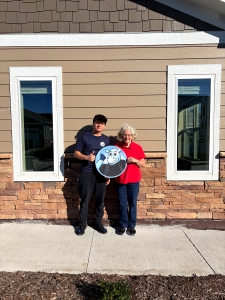
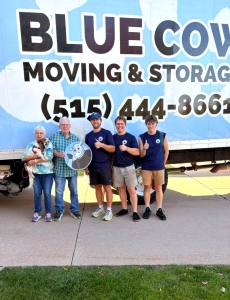
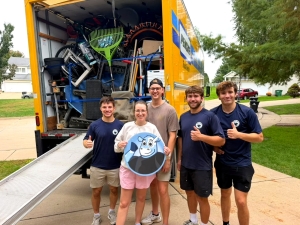
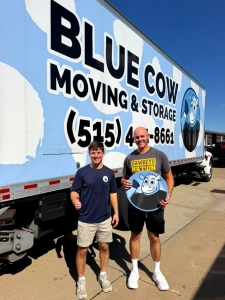
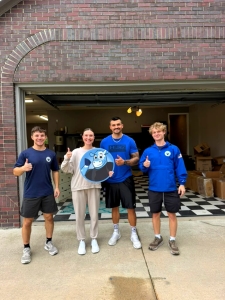
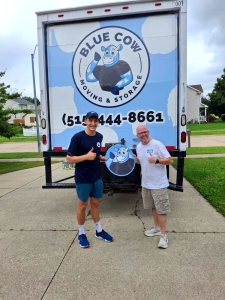
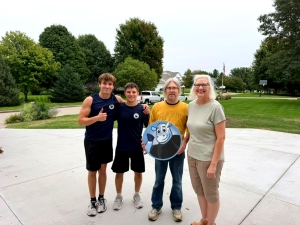
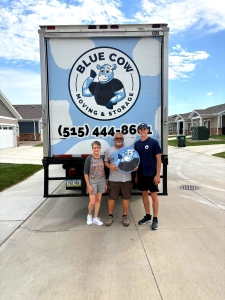
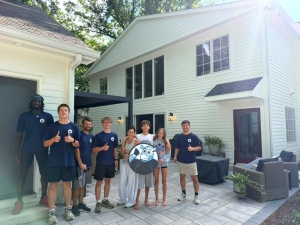
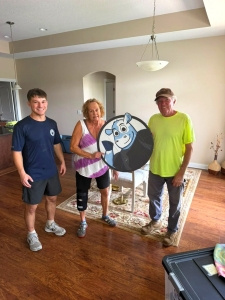
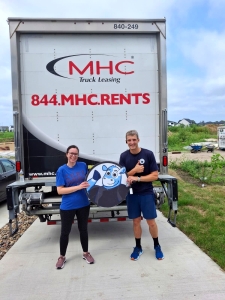
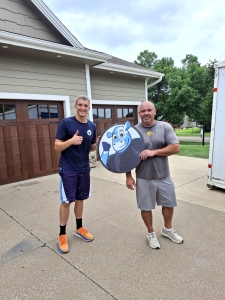
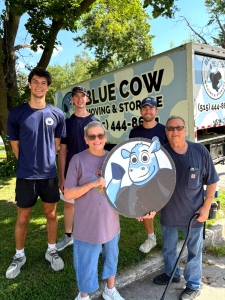
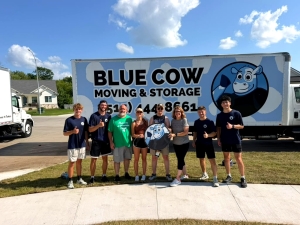
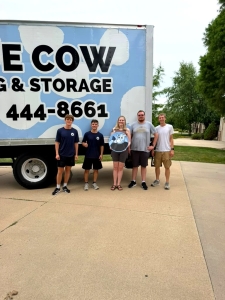
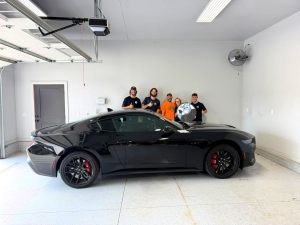
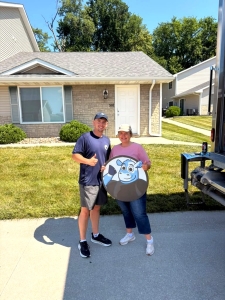
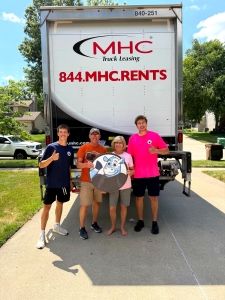
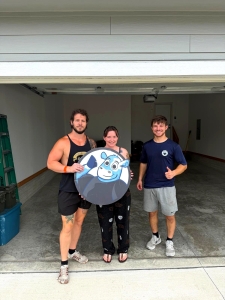
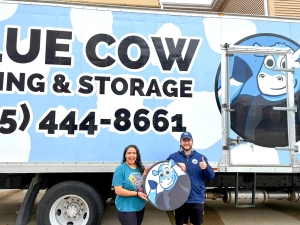
Take a look at real moves completed by our team throughout Central Iowa.


























Helpful Moving Advice
Continue Reading
Best Neighborhoods in Ankeny | A Local Guide for Families
Read Article →How to Choose the Right Neighborhood in Ankeny (What Iowa Families Should know Before They Settle Down)
Read Article →How to Pack and Prepare Your Belongings for Long-Term Storage | Des Moines Storage Tips
Read Article →Choosing the Right Storage Solution in Des Moines | Self-Storage vs. Full-Service
Read Article →Helpful Moving Services
Explore Blue Cow Moving & Storage services related to this article.
Moving Services Near You
Find local Blue Cow Moving & Storage services in areas mentioned in this guide.