
It’s easy to focus on boxes, movers, and timelines when relocating — but feeling settled starts with more than a well-labeled box. To truly feel at home, you need to know your new Des Moines neighborhood inside and out. From understanding local services and traffic to connecting with the community, a little effort before move-in day can go a long way toward making your transition smooth and enjoyable.
This expanded guide is your companion as you explore your surroundings. We’ll help you gather practical intel, discover unique local features, and set yourself up for a confident first day — and a great first year — in your new neighborhood.
1. Start with a Street-Level Walk
If you're local — or even if you have a day or two before your official move — walking the neighborhood offers valuable insights. Visit during different times of day and different days of the week. What’s the street traffic like during morning rush hour? Is it quiet at night? Do people wave, walk their dogs, or chat on porches?
Look at small but telling details. Are lawns well-kept? Are sidewalks smooth or cracked? Do streetlights work? These signals hint at how engaged and safe the neighborhood may be. Observe local businesses, check proximity to convenience stores or coffee shops, and see where people gather. You’ll quickly develop a sense of the area’s character and rhythm.
While online maps and real estate listings are helpful, nothing beats getting out of the car and into the community. Seeing it firsthand gives you confidence that this isn’t just your house — it’s your home base. And if you’re wondering how to know your new Des Moines neighborhood, this is always step one.
2. Look Up Local Services and Utilities
Every area in Des Moines has its own quirks when it comes to trash pickup days, utility providers, and municipal services. In some neighborhoods, you’ll work with Des Moines Water Works and MidAmerican Energy; in others, you may need private waste or recycling companies. Knowing who handles what — and when — prevents missed bills, late pickups, or confusion on moving day.
Don’t forget emergency contacts: look up non-emergency numbers for police and fire, local hospitals, and city maintenance hotlines. If you’re in a neighborhood with a homeowners’ association (HOA), be sure to learn what they handle — lawn care, snow removal, or community rules might be included.
Many communities also have Facebook groups or Nextdoor pages that offer updates, post neighborhood alerts, and even share garage sale info or lost pet sightings. These platforms are gold mines for getting real-time, neighbor-to-neighbor insights. To get started, browse our full Des Moines move-in resource list.
3. Research Schools, Parks, and Community Centers
School ratings often impact housing demand, even if you don’t have kids. High-performing schools can boost property value and neighborhood pride. Use tools like GreatSchools.org or the Iowa Department of Education website to explore ratings and reviews.
Beyond academics, look for parks with playgrounds, green spaces, walking trails, or sports fields. Community centers may offer classes, fitness rooms, childcare, or seasonal events. These public amenities are the heart of many Des Moines neighborhoods and offer free or low-cost ways to meet neighbors and get involved.
If you’re a pet owner, research nearby dog parks or pet-friendly walking trails. Some neighborhoods are more walkable and pet-friendly than others. Bonus: look into libraries or cultural centers that host neighborhood story hours, language classes, or local artist showcases. These spaces contribute to the everyday livability and vibrancy of your new area.
4. Know the Commute and Key Routes
Even if you work remotely or part-time, understanding the flow of traffic in and out of your new neighborhood is essential. Plug common routes into a traffic app at different times of day. Where are the bottlenecks? Are there multiple ways in and out of the neighborhood in case of construction or an accident?
Pay attention to school zones and train crossings. Are you close to downtown Des Moines, or on the edge of town? Living off I-235 might mean faster highway access, while neighborhoods like Beaverdale or South Side may have more surface street routes. Take note of how weather might impact your travel — snow, rain, and flooding can make a big difference in winter and spring.
Proximity to work, school, or daycare can save hours over the course of a year. And if you’re new to Des Moines entirely, make sure you understand how parking works downtown or at your destination — permit zones and metered areas vary widely.
💡 Quick Tip
5. Understand the Local Vibe
No two Des Moines neighborhoods feel exactly alike. Beaverdale boasts historic homes and a cozy, nostalgic feel. Sherman Hill leans toward artsy and urban with restored Victorians. South Side is known for its family roots and neighborhood pride. Meanwhile, places like Waveland or Ingersoll offer a mix of walkability, new builds, and older charm.
Ask yourself: Is the vibe more youthful and active, or quiet and relaxed? Do you see bikes and joggers, or more families and backyard grills? Knowing the local energy helps you settle into routines that match your lifestyle — whether that’s a morning coffee run, Friday happy hour, or kids’ soccer practice.
Talk to a few neighbors. Visit a local shop. Follow the nearest library or coffeehouse on Instagram. You’ll quickly get a sense of what your neighborhood values, celebrates, and offers year-round. This human-level understanding is often what makes a house feel like a home.
6. Get Local Help if You’re New to Town
Relocating from another city or state? Hiring a moving company that knows Des Moines neighborhoods by heart can save you time, money, and headaches. Local movers know which driveways are tricky to back into, which homes have narrow hallways, and which staircases don’t quite fit a box spring.
At Blue Cow Moving & Storage, we’ve helped thousands of families move into Des Moines neighborhoods of all types — from historic bungalows to modern townhomes and everything in between. We’re not just loading boxes; we’re guiding you through the quirks of your new block so you can get settled with confidence.
Need help unpacking, arranging furniture, or navigating an old house layout? Our team can recommend strategies, schedule staggered delivery, or provide temporary storage while you get your bearings. Moving should be exciting, not exhausting — especially in a city as welcoming as Des Moines.
Final Thoughts | Know Your New Des Moines Neighborhood Before You Unpack
Getting familiar with your surroundings before you fully move in sets the stage for success. From commute times to community character, every piece of insight you gather now helps you feel more confident and connected from day one.
Take time to walk the block, chat with neighbors, explore a local park, or check out the library bulletin board. Understanding your Des Moines neighborhood means knowing where to get groceries, who to call for recycling, and which road to avoid at 5 PM. But it also means learning the rhythm of the place, finding your favorite corner, and creating new memories with each season.
Ready to settle in with less stress and more confidence? Contact Blue Cow Moving & Storage to start your journey on the right foot — and with the right team behind you.
More Resources to Help You Settle In
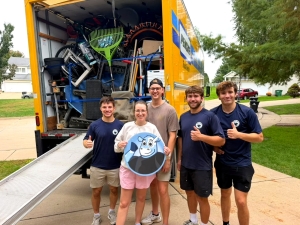
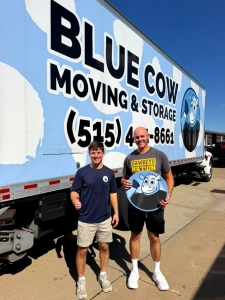
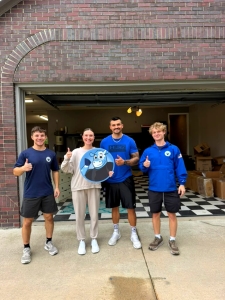
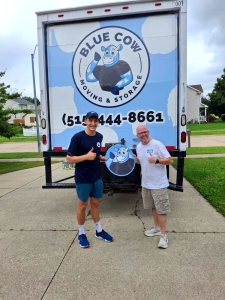
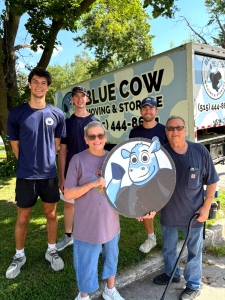
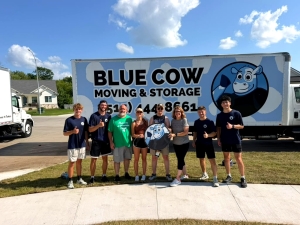
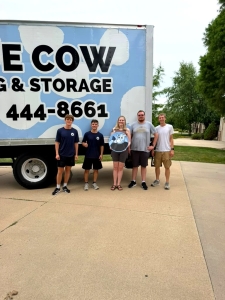
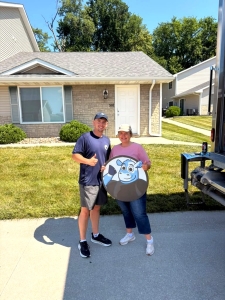
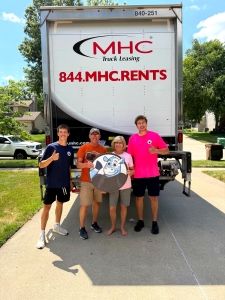
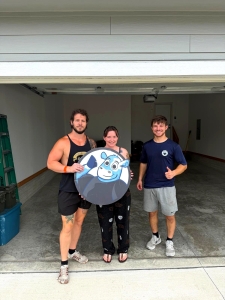
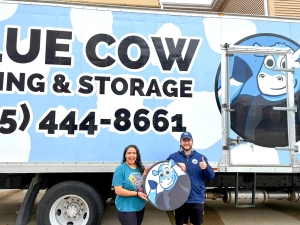
Real Blue Cow Moves
See Blue Cow in Action
Take a look at real moves completed by our team throughout Central Iowa.




















Helpful Moving Advice
Continue Reading
Best Neighborhoods in Ankeny | A Local Guide for Families
Read Article →How to Choose the Right Neighborhood in Ankeny (What Iowa Families Should know Before They Settle Down)
Read Article →How to Pack and Prepare Your Belongings for Long-Term Storage | Des Moines Storage Tips
Read Article →Choosing the Right Storage Solution in Des Moines | Self-Storage vs. Full-Service
Read Article →Helpful Moving Services
Explore Blue Cow Moving & Storage services related to this article.
Moving Services Near You
Find local Blue Cow Moving & Storage services in areas mentioned in this guide.