
Good packing starts with the right tools — and the right tools start with a solid plan. Whether you’re hiring a professional moving crew or going the DIY route, having the must-have packing supplies on hand before you begin can dramatically improve the efficiency, safety, and sanity of your move. It's not just about putting things in boxes. It's about making sure they come out in one piece, at the right time, in the right place.
Below, we’ll walk through all the essential packing materials you’ll need — with detailed tips on when and how to use each one. For a broader view of your packing strategy, be sure to visit our full guide on packing for your Des Moines move.
1. Moving Boxes (In Multiple Sizes)
Let’s start with the basics: boxes. But not just any boxes — a smart mover knows that different items require different box types. Small boxes are ideal for heavy items like canned goods, books, and tools. Medium boxes work best for general household items such as dishes, clothing, and electronics. Large boxes should be reserved for light, bulky items such as bedding, pillows, lampshades, or winter coats.
Don’t be tempted to fill a large box with books — it will be too heavy to lift safely and could break. Likewise, don’t waste small boxes on lightweight items that could be packed together in something bigger. Buying boxes in a variety of sizes helps ensure a safer, more efficient load and unload process — and that’s what your back (and your movers) will thank you for.
Bonus tip: Specialty boxes like dish packs, wardrobe boxes, and TV boxes can be worth the extra cost, especially if you’re transporting valuables or hard-to-pack items. Consider how much protection your more fragile belongings need and purchase accordingly.
2. Packing Tape and Dispenser
Packing tape is your first line of defense when it comes to sealing boxes and keeping contents safe. Don’t skimp here — poor-quality tape will tear, split, or fail under pressure. Invest in commercial-grade, heavy-duty tape that’s at least 2 inches wide. You’ll also want a pistol-grip dispenser to make the process faster and more ergonomic.
A good rule of thumb? Plan on using about one roll of tape for every 10 to 15 boxes. Always have extra on hand, especially toward the end of your packing process when fatigue and box clutter can make re-sealing and reinforcing necessary. Clear tape is most common, but colored tape can help with room-coding if you're skipping printed labels.
Don't forget to tape both the bottom and top of every box — and reinforce corners with an extra strip for heavy loads. It may feel like overkill now, but it’ll be worth it when your boxes don’t cave in during the stack in the truck.
3. Packing Paper and Bubble Wrap
Protective padding is crucial, especially for fragile kitchenware, electronics, décor, or artwork. Start with unprinted packing paper to wrap everyday items like plates, cups, and figurines. Newspaper works in a pinch, but the ink can rub off — so it’s not ideal for anything white, absorbent, or expensive.
Bubble wrap provides shock absorption for delicate or oddly shaped pieces like lamps, monitors, vases, or ceramic keepsakes. Layer multiple pieces around glass or electronics and secure with tape to avoid shifting. And when you’re wrapping particularly fragile items, use both materials: a base layer of paper to prevent scratches, and a cushion of bubble wrap to handle any bumps along the way.
Need help protecting bigger pieces too? Don’t miss our expert breakdown of how to move a mattress without damage — the principles there apply to more than just your bed.
4. Permanent Markers and Box Labels
Labeling is one of the most overlooked parts of a successful move. Without clear labeling, unpacking becomes a scavenger hunt. Use permanent black markers to write clearly on all visible sides of each box. Include both the room name (e.g., “Kitchen,” “Master Bath”) and a short description of contents (e.g., “Plates + Bowls” or “Hair Tools + Towels”).
For even more clarity, create a color-coded system with stickers or colored tape for each room — and hang a reference chart at the front door of your new home so movers know exactly where to go. Pre-printed labels can save time, and printable moving label templates are widely available online if you want a cleaner look.
Organized labeling not only speeds up your unpacking — it reduces the chances of damaging or misplacing key items during the move. For a full strategy, see our tips on how to label moving boxes effectively.
5. Zip Bags and Small Containers
Some of the most frustrating moving moments come from lost screws, tangled cords, or missing remotes. Keep zip-top plastic bags and plastic bins on hand to hold these small items. Label each bag and tape it to the item it belongs to (e.g., bed frame hardware, TV remote). Alternatively, keep all bagged parts together in a single “hardware + accessories” box — just be sure to label it boldly.
Use sandwich bags for smaller items and gallon bags for larger accessories or tools. Stack these inside a see-through container so you don’t have to open 10 boxes to find the missing HDMI cord. Pro-level tip: Keep a few bags in your pocket on packing day. You’ll be amazed how many small pieces you’ll need to corral at the last minute.
This simple habit can save you hours when reassembling furniture or setting up electronics in your new home.
6. Stretch Wrap and Furniture Pads
Stretch wrap is the secret weapon of professional movers. It clings to itself, doesn’t leave residue, and can keep drawers closed, protect finishes, and hold oddly shaped items together. Use it to secure silverware trays inside dressers, wrap chair legs, or bundle rugs.
Furniture pads or moving blankets offer padded protection for large, heavy items like couches, tables, and dressers. These prevent dents and dings during transport, and they’re especially important when loading tightly into a moving truck. Don’t rely on your own comforters or towels — those can tear, stain, or shift.
At Blue Cow Moving & Storage, we use high-quality furniture pads and commercial wrap for every job — and you’ll notice the difference in how your items look after the move.
7. Tool Kit and Utility Knife
Last but not least, always keep a small tool kit and sharp utility knife within arm’s reach. You’ll need tools for taking furniture apart and putting it back together, and a knife to open boxes without damaging what’s inside. Don’t pack these items away — keep them in your moving day essentials kit or glove box.
A basic toolkit should include a screwdriver (flathead and Phillips), an adjustable wrench, pliers, Allen wrenches (especially if you’ve disassembled IKEA furniture), and a small hammer. If you’ve saved any manufacturer instructions for reassembly, keep those in the same bag or binder.
For a full list of what else to keep with you during the move, don’t miss our post on what to pack for moving day.
Final Thoughts | Must-Have Packing Supplies
Gathering your must-have packing supplies early is one of the smartest decisions you can make before a move. It sets the tone for a well-organized, low-stress experience — and it helps ensure your belongings arrive safely and intact. From high-quality boxes and tape to the underrated brilliance of zip bags and stretch wrap, the right materials make all the difference.
Don't wait until the last minute or try to cobble together supplies from whatever’s lying around the house. Create a checklist, shop ahead, and give yourself the tools you need to pack like a pro.
If you’d rather skip the hassle altogether, let the experts help. Contact Blue Cow Moving & Storage for professional packing, full-service moves, and supply delivery in the Des Moines area. We bring everything — including the peace of mind.
More Resources to Prep Your Packing
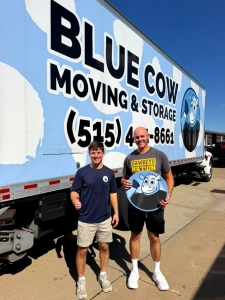
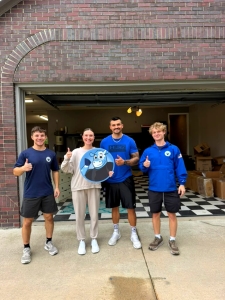
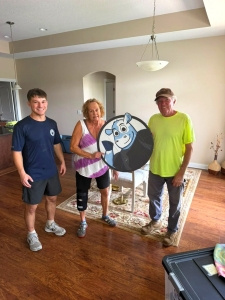
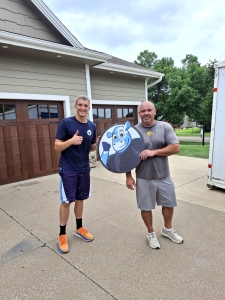
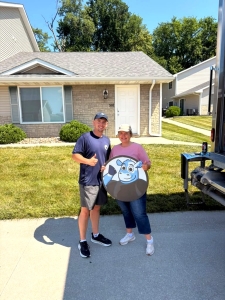
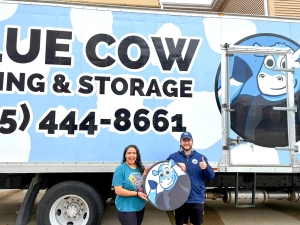
Real Blue Cow Moves
See Blue Cow in Action
Take a look at real moves completed by our team throughout Central Iowa.













































Helpful Moving Advice
Continue Reading
Best Neighborhoods in Ankeny | A Local Guide for Families
Read Article →How to Choose the Right Neighborhood in Ankeny (What Iowa Families Should know Before They Settle Down)
Read Article →How to Pack and Prepare Your Belongings for Long-Term Storage | Des Moines Storage Tips
Read Article →Choosing the Right Storage Solution in Des Moines | Self-Storage vs. Full-Service
Read Article →Helpful Moving Services
Explore Blue Cow Moving & Storage services related to this article.
Moving Services Near You
Find local Blue Cow Moving & Storage services in areas mentioned in this guide.