
Smart packing now means fewer headaches later. Learn how to protect your items for long-term storage the right way.
If you're moving soon, remodeling, or just need more space, long-term storage can be a practical solution — but only if you pack for long term storage the right way. At Blue Cow Moving & Storage, our movers have helped thousands of Iowans prepare and protect their belongings for extended storage. This guide shares expert insights on packing for long-term storage with peace of mind.
Whether you’re storing furniture, clothing, electronics, or cherished keepsakes, the techniques you use today will determine how well your belongings hold up over time. Skimping on the process may save a few minutes now, but it can cost you dearly in repairs or replacements later. With just a bit of strategy and quality materials, you can ensure your items stay just as you left them — clean, undamaged, and ready to use when you retrieve them.
Did You Know? Iowa’s temperature swings can exceed 100 degrees between seasons — making climate-controlled storage a must for long-term protection. These extreme temperature changes, combined with seasonal humidity shifts, can wreak havoc on electronics, wooden furniture, and delicate fabrics. Mold, mildew, warping, and corrosion are common consequences of poor storage choices — and they often go unnoticed until it’s too late.
1. Choose the Right Storage Environment
Before packing anything, verify that your storage provider offers:
- Climate control (temperature and humidity regulation)
- Sealed units and pest prevention protocols
- 24/7 security with alarms and surveillance
- Elevated floors or moisture barriers
Blue Cow Moving & Storage offers full-service storage in Des Moines with all of the above — plus indoor loading and inventory management. Many self-storage locations advertise security or climate features, but few offer a comprehensive solution that truly protects your items from all angles. Be sure to tour the facility in person when possible, ask about pest control history, and inquire about insurance options in case of unforeseen damage.
2. Use High-Quality Packing Supplies
Durability matters. Cheap materials break down, especially in extended storage. Invest in:
- Double-walled moving boxes for durability
- Plastic totes for moisture-sensitive contents
- Furniture pads or blankets for large items
- Silica gel or moisture absorbers for added protection
- Plastic wrap (only on clean, dry surfaces)
- Labels and a written inventory
Pro Tip: Avoid newspaper — the ink may transfer onto delicate surfaces. Use unprinted packing paper or bubble wrap instead. For fragile items like glassware, dishes, or electronics, consider layering cushioning materials and double-boxing them with filler between the boxes.
Use zip-top bags for small parts and tape them to corresponding items. By prioritizing quality over convenience, you greatly reduce the risk of damage from shifting, moisture, or crushing during long-term storage. Every extra layer of protection adds months (or years) to your items' shelf life.
3. Prep Furniture and Electronics Properly
Furniture
- Clean and fully dry all surfaces before packing
- Disassemble beds, tables, and large pieces when possible
- Wrap items in breathable materials (avoid direct plastic on wood)
Electronics
- Back up files and remove batteries
- Use original boxes or anti-static wraps
- Label all cords and accessories
Wood furniture is particularly vulnerable to mold and warping in fluctuating environments. Be sure all furniture is completely dry before wrapping, and elevate heavy pieces off the ground when possible.
When packing electronics, static and moisture are your worst enemies. Anti-static bubble wrap and original foam inserts provide the best protection, but you can also create custom padding using towels and cardboard if needed. Always store electronics in their upright orientation and avoid stacking anything on top of them to prevent internal damage.
4. Pack with Logic and Longevity in Mind
What to Do
- Place heavier items on the bottom of each stack
- Fully fill each box to prevent collapse
- Label multiple sides of each box
- Create a written inventory by box or room
What to Avoid
- Overloading large boxes with heavy items
- Placing items directly on the floor — use pallets or shelving
- Storing food, flammables, or scented products
Learn more about safe storage practices from Ready.gov.
When boxes aren’t properly labeled or organized, your future self may spend hours digging through unmarked piles. Take a few extra minutes now to label everything clearly. An organized inventory makes access and retrieval dramatically easier, especially if you end up keeping items in storage longer than expected.
Avoid storing anything perishable, flammable, or strongly scented, as these items can create pest problems or leave residues that affect surrounding belongings.
5. Organize for Future Access
Even for long-term storage, it's wise to assume you'll need access. Here’s how to stay organized:
- Create walkways between stacks
- Keep high-priority items near the front
- Group by category — such as “Holiday Decor,” “Business Records,” or “Seasonal Clothing”
- Save a copy of your inventory layout for reference
Digital Advantage: Our full-service customers get online access to inventory with photos — no digging required. You can browse your stored items digitally and request redelivery only for what you need.
This saves time and hassle, especially during busy seasons or life transitions. When packing, use stackable bins and clear pathways so your storage unit stays navigable. Even if you think you won’t revisit your unit often, planning for occasional access helps prevent frustration when the time does come.
Final Thoughts on Packing for Long-Term Storage
When you're moving soon and planning to store items long-term, the quality of your packing matters just as much as where you store them. From the box you choose to how your furniture is wrapped, these details make a big difference over time.
Proper storage preparation doesn’t require perfection — but it does demand care. A little extra time spent packing thoughtfully can save hundreds (or even thousands) in repairs or replacements down the road.
With Blue Cow Moving & Storage, you don’t have to guess. Our team of professional movers will help pack, pick up, store, and redeliver your belongings when you're ready — whether that's next month or next year.
Whether you're decluttering, downsizing, or prepping for a move abroad, we make storage simple, secure, and fully supported. Let us take the stress out of long-term storage so you can focus on what comes next.
✅ Long-Term Storage Prep Checklist
- Choose a secure, climate-controlled facility
- Use durable boxes and breathable packing materials
- Disassemble and wrap furniture correctly
- Label every box clearly and maintain an inventory
- Stack with airflow and plan ahead for access
Keep this checklist handy while packing — it’s your go-to guide for a stress-free storage setup. Don’t rush the process, and make sure every item is packed with its long-term future in mind. The better your prep today, the smoother your retrieval tomorrow.
Real Blue Cow Moves
See Blue Cow in Action
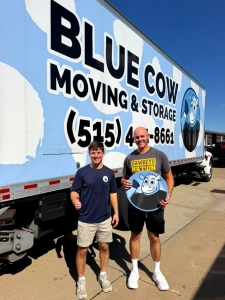
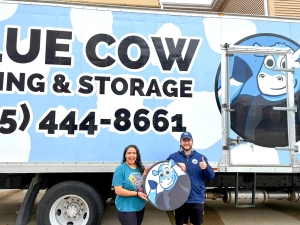
Take a look at real moves completed by our team throughout Central Iowa.















































Helpful Moving Advice
Continue Reading
Best Neighborhoods in Ankeny | A Local Guide for Families
Read Article →How to Choose the Right Neighborhood in Ankeny (What Iowa Families Should know Before They Settle Down)
Read Article →Choosing the Right Storage Solution in Des Moines | Self-Storage vs. Full-Service
Read Article →Challenges of Moving in Downtown Des Moines | Parking, Elevators & Logistics
Read Article →Helpful Moving Services
Explore Blue Cow Moving & Storage services related to this article.
Moving Services Near You
Find local Blue Cow Moving & Storage services in areas mentioned in this guide.