
Wondering how to choose the best moving date in Des Moines? Timing matters more than most people realize. Your selected move date can affect everything from the final price tag and your stress level to the availability of reputable movers in central Iowa. Weather conditions, lease agreements, school schedules, and even local traffic patterns can influence your experience — for better or worse.
Choosing the right time to move isn't just about convenience — it's about strategy. The best moving date depends on multiple factors, including your family situation, job transition, real estate deadlines, and seasonal considerations unique to the Des Moines area. The wrong date can lead to unnecessary stress, rushed decisions, and inflated moving costs. On the other hand, choosing the right date can make the entire process feel seamless — from loading the first box to settling into your new home.
If you're building a full relocation plan, we highly recommend pairing this article with our detailed Des Moines Week-by-Week Move Guide. It walks you through each phase of the move so you’re never left guessing what comes next — and helps ensure your moving day aligns with your broader goals.
1. Consider Iowa Weather Patterns
Iowa weather can change quickly, and each season brings different challenges for moving. Spring and early fall are consistently the most favorable times to relocate. From April through early June, Des Moines experiences moderate temperatures, limited rainfall, and fewer icy sidewalks or muddy driveways. This window gives movers easier access to your home and offers a safer, smoother experience for loading and unloading trucks.
In contrast, summers in Des Moines — especially July and August — can bring extreme heat, humidity, and unexpected thunderstorms. Movers are busiest during this time, and availability becomes limited quickly. If you’re planning a summer move, it’s crucial to secure your moving company well in advance and schedule early morning load times to beat the heat. Keep water bottles handy for everyone on-site, and avoid heavy lifting during midday.
Moving in winter presents different challenges. Snow, sleet, and freezing temperatures between November and February can delay travel and create hazards for both movers and homeowners. Still, if you're on a budget or need to move during a slower season, winter moves can offer lower prices. Just make sure you’re prepared with proper footwear, salt for walkways, and a weather buffer built into your timeline. For smart tips on handling snow, windchill, and timing in the cold, explore our Iowa winter moving tips.
2. Avoid Peak Moving Days
Peak demand days can impact both pricing and availability. In Des Moines and surrounding metro areas, the end of each month, major holidays, and summer weekends are the most competitive for booking movers. That’s when leases turn over, homes close, and families have time off — which creates a rush on moving services.
If you can avoid these peak periods, you’ll likely save money and get more scheduling flexibility. Aim to move mid-week (Tuesday through Thursday) and mid-month if possible. These lower-volume times can open the door to better rates, faster service, and greater focus from your moving crew. You’ll also avoid long wait times at storage facilities and rental offices, which can be especially helpful if you’re coordinating with other vendors.
For moves within neighborhoods like Beaverdale, Drake Park, or South of Grand, where narrow driveways and street parking complicate access, timing is even more critical. Avoiding Saturday traffic and tight turnaround windows will improve your experience and reduce stress for your movers. If your move falls near a holiday like Labor Day or Memorial Day, remember that businesses may be closed, truck rental lots may have limited hours, and road traffic may spike. These factors all impact how smoothly your day unfolds.
3. Match Your Move to Life Events
Life doesn’t pause for moving. That’s why it’s important to align your relocation with what’s going on in your world. Have school-aged children? The end of the academic year or the start of a new semester is typically the most logical window. This helps minimize disruption and gives your kids time to adjust to their new school environment, make friends, and settle in before hitting the books again. In central Iowa, schools often resume in mid-August — so a July move allows breathing room for families making the switch.
If you’re changing jobs, try not to schedule your move during your first or last week of employment. You'll want time to mentally reset, tackle address changes, and set up your new home office or commute routine. Even giving yourself a long weekend between moving and onboarding at your new company can make the transition smoother and less overwhelming.
Major life milestones — such as getting married, welcoming a new child, or downsizing after retirement — also play a role. These events come with emotional and logistical demands, so it’s smart to avoid cramming too much into a short time frame. A little cushion goes a long way. Planning around your energy levels and availability makes the move more manageable and less disruptive to your everyday life in Des Moines.
4. Plan Around Closing Dates and Lease Terms
If you're buying or selling a home in Iowa, pay attention to local norms around real estate closings. Most closings occur toward the end of the month, which can create bottlenecks for moving services. It’s always wise to add a buffer of at least 1–3 days between closing and move-in, just in case final documents are delayed or the seller hasn’t fully vacated the property. This is especially true in fast-growing areas like Waukee or Grimes, where construction schedules can cause timing shifts.
For renters in Des Moines, the same logic applies. Not all landlords offer a full day on your move-out date — and some require you to be out by noon. That can create conflict if your movers arrive late or your load takes longer than expected. By scheduling your move a day or two ahead of your lease expiration, you give yourself room for cleaning, inspections, or final walkthroughs. Plus, you’ll avoid late fees and security deposit disputes caused by rushed handoffs.
If you're juggling both a closing and a lease turnover — or moving from one home to another in the same day — your schedule needs to be airtight. Back-to-back closings and load-outs require careful coordination, buffer time, and a reliable moving partner. Don’t miss our guide on how to coordinate closing & move day. It covers everything you’ll need to balance paperwork, moving trucks, and real estate timelines without chaos.
5. Book Your Movers Early
Once your moving date is locked in, don’t wait to secure your moving company. In central Iowa — especially Des Moines, Ankeny, and West Des Moines — professional movers are in high demand from late spring through early fall. It’s not uncommon for prime dates to fill 6–8 weeks ahead of time during peak months.
Booking early not only locks in your preferred slot, but also gives you access to better service options. You’ll have time to vet companies, compare quotes, understand your coverage options, and plan for packing, storage, or specialty item transport. Waiting too long can limit your choices, force you into rushed decision-making, or result in higher costs — particularly during the end-of-month rush when crews and trucks are fully booked across the metro.
For more insights into planning ahead, check out our resource on how far in advance to book movers. We break down optimal booking windows by season and give you a clear roadmap so you can feel confident every step of the way.
Final Thoughts | How to Choose the Best Moving Date in Des Moines
Mastering the art of how to choose the best moving date in Des Moines comes down to being proactive and paying attention to the details. By factoring in Iowa’s weather, local demand trends, school schedules, and your own life events, you can pick a day that supports a smoother, less stressful transition. Every element — from driveway access to scheduling your internet hookup — hinges on when you move.
No two households are alike. What works for a couple relocating downtown might not suit a family moving to the suburbs. That’s why local experience and careful planning matter. If you're unsure where to start or want help pinpointing the right date, contact Blue Cow Moving & Storage. We offer flexible scheduling, transparent guidance, and personalized support to make your move feel manageable — not overwhelming.
More Moving Date Resources
Real Blue Cow Moves
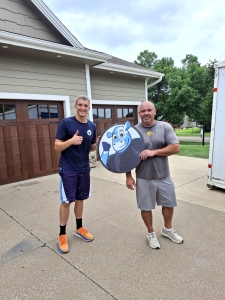
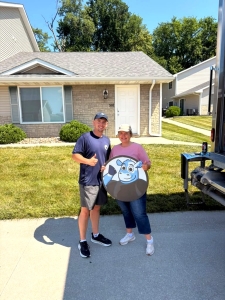
See Blue Cow in Action
Take a look at real moves completed by our team throughout Central Iowa.
















































Helpful Moving Advice
Continue Reading
Best Neighborhoods in Ankeny | A Local Guide for Families
Read Article →How to Choose the Right Neighborhood in Ankeny (What Iowa Families Should know Before They Settle Down)
Read Article →How to Pack and Prepare Your Belongings for Long-Term Storage | Des Moines Storage Tips
Read Article →Choosing the Right Storage Solution in Des Moines | Self-Storage vs. Full-Service
Read Article →Helpful Moving Services
Explore Blue Cow Moving & Storage services related to this article.
Moving Services Near You
Find local Blue Cow Moving & Storage services in areas mentioned in this guide.